
I would like to thank the administration at Memorial University for their lessons on the dark side of politics. Without their relentless smear campaigns against me, I would not be the critical thinker I am today. This by no means justifies their defamation and the anguish it caused, but I am reflecting on the good that came from it. I believe that good can come from just about any situation. The university experience of an undergraduate student is often viewed as a time for academic achievement, intellectual exploration, and personal growth. However, it can also be a revealing microcosm of the broader societal structures and political dynamics that govern the world beyond the campus—my time at university revealed to me the dark underbelly of politics, courtesy of the university administration.
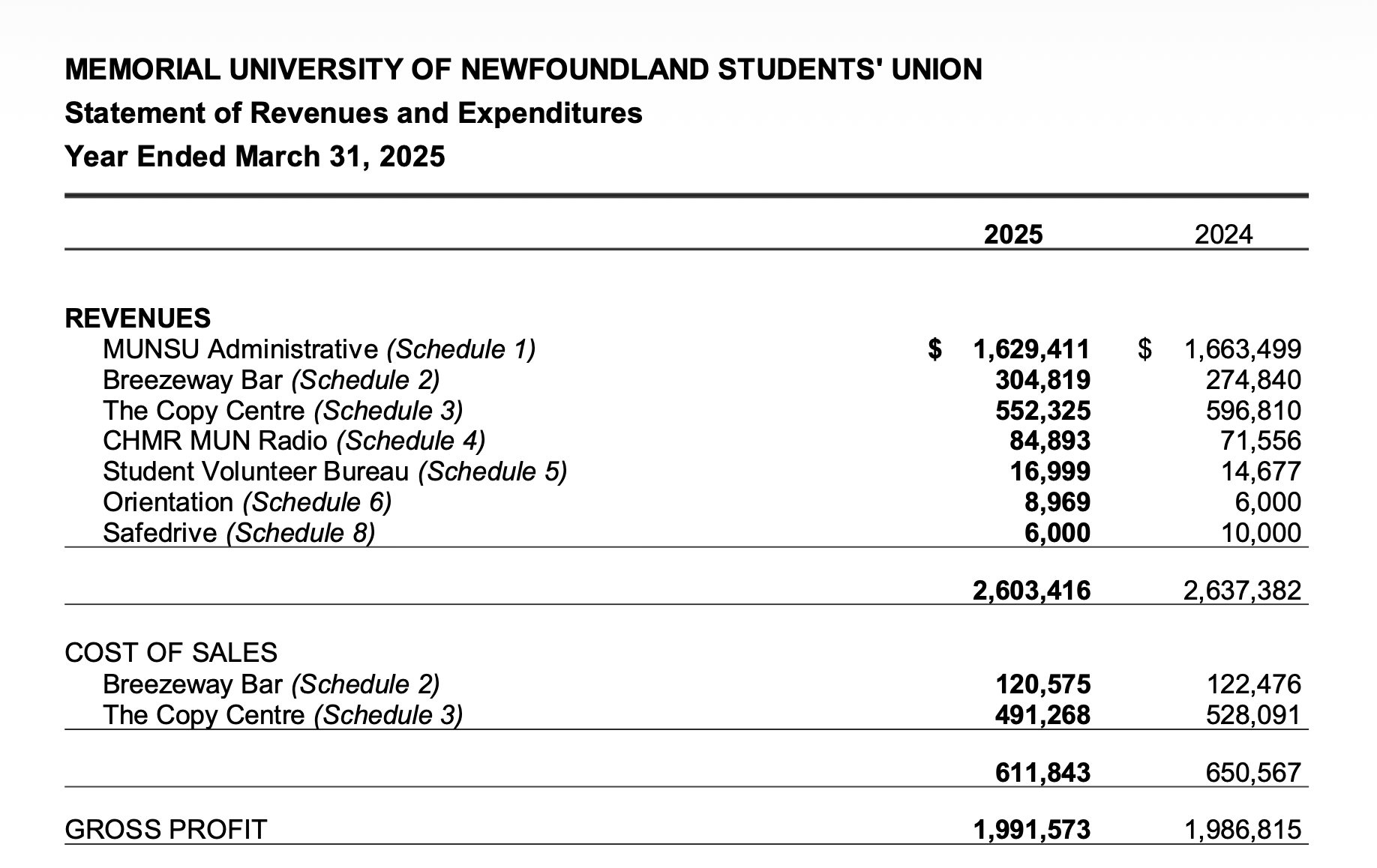
One of the first lessons I learned was the illusion of transparency. Universities often promote themselves as beacons of openness and transparency. However, behind this veneer, decision-making processes were often opaque. Policies affecting students like massive tuition increases were decided in closed-door meetings, with minimal input from those most affected. Administrators would cite financial constraints without disclosing financial reports of their spending. This taught me that transparency is often a selectively applied concept, used more as a public relations tool than a genuine commitment to accountability.
Throughout my time as a student, I filed over 300 access-to-information requests exposing the extravagant costs of head-hunting firms used for executive searches and lavish office renovations. Many of the “findings” in the performance audit of Memorial by the province’s Auditor General were published on my website months before they were released in that report.
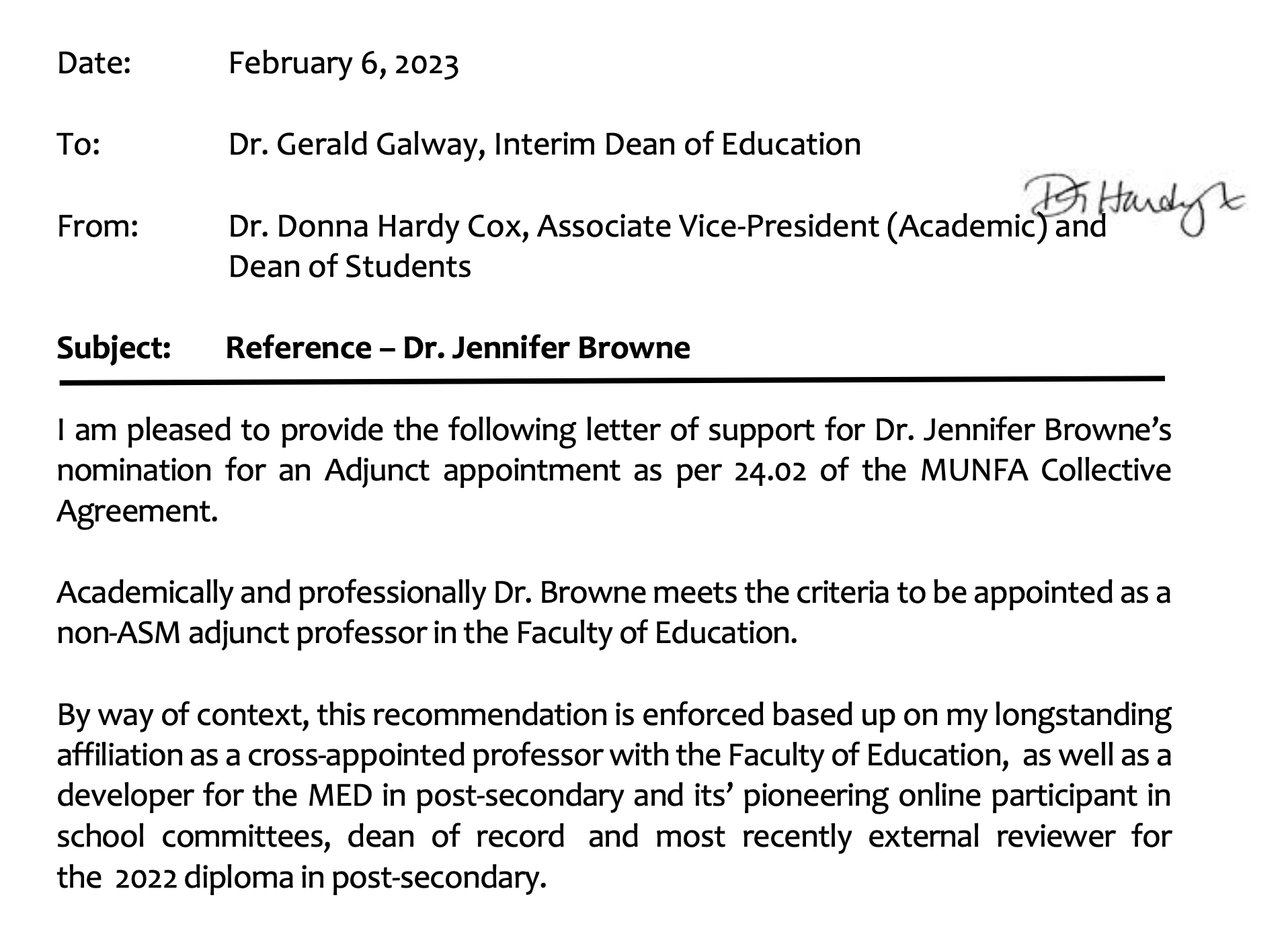
Another lesson was the immense power of bureaucracy. University administrations are complex, hierarchical systems where authority is distributed among various offices and officials. Navigating this maze can be incredibly challenging for students seeking redress or advocating for change. I experienced this firsthand when the administration targeted me under the Student Code of Conduct. Chief Risk Officer Gregory McDougall was the Complainant, and Student Conduct Officer Jennifer Browne was the decision-maker for a protest involving former President Vianne Timmons. Officials in the administration were responsible for laying the complaint, investigating, and rendering a decision. While Memorial stated that Browne was the decision-maker, it appears that McDougall (the Complainant) had input into the decision, and it is hard to believe that a campus ban and subsequent sanctions would be decided without a thumbs up from the President. This highlights how bureaucracy can serve as a tool to diffuse responsibility and stymie efforts for accountability. It mirrors broader governmental and corporate practices where procedural complexity protects those in power from scrutiny.
University politics also illuminated the role of alliances. Just as in larger political arenas, success within the university often depends on who you know and what alliances you can form. To successfully persecute a student under the Student Code of Conduct, it is necessary to have fellow administrators in your pocket. This favouritism was particularly evident during my Student Code of Conduct case, where the Chief Risk Officer and the Student Conduct Officer favoured Timmons instead of adjudicating the matter in an unbiased and impartial manner.
Information manipulation was another dark political tactic I observed. Universities, like any institution, manage their image carefully. This often involves controlling the narrative around issues. For example, during my protest of former President Vianne Timmons’s tuition hikes and out-of-control spending, the administration framed it as a workplace issue rather than addressing the substance of my concerns.
McDougall, the Complainant in my Student Code of Conduct case, wrote Memorial’s media statement on the situation. Instead of issuing a neutral statement, the administration had McDougall craft a statement to smear me. Browne’s Student Code of Conduct findings letter stated that my published articles on the Student Code of Conduct case were an aggravating factor, and she decided to impose severe sanctions because of it. Essentially, it was an attack on journalism and the free press. Memorial has since proposed a mandatory requirement of confidentiality for the Student Code of Conduct that would punish anyone who dared speak out. This censorship underscores the power of those in control to try to shape reality by controlling information flow.
Perhaps the most sobering lesson was the cost of dissent. I faced retaliation for challenging administrative decisions. The administration’s willingness to punish a dissenter sent a clear message: compliance is rewarded, and opposition is punished. I found myself summoned for disciplinary hearings on dubious grounds. These experiences taught me that the cost of speaking truth to power could be high, and that courage and integrity often come with significant personal risks.
Reflecting on these experiences, I realize that my time at university was not just an academic education but also a profound lesson in the darker aspects of political life. The university administration provided a microcosm of the broader political landscape, revealing how power, secrecy, bureaucracy, favouritism, information control, and retribution operate in tandem to maintain control and suppress dissent.
These lessons have been invaluable as I navigate the complexities of the world beyond the university. They have made me more critical, more aware of the dynamics of power, and more committed to advocating for transparency, accountability, and justice in whatever arena I find myself in.
Matt Barter is a fourth-year student in the Humanities and Social Sciences Faculty at Memorial University of Newfoundland, majoring in Political Science with a minor in Sociology. He enjoys reading thought-provoking articles, walks in nature, and volunteering in the community.


Leave a Reply